Coolant does two jobs: it carries heat away from the engine, and it stops that heat from boiling the liquid or freezing it. An engine that loses coolant will overheat, and overheating is one of the few faults that can turn into a repair costing more than the car is worth.
Checking the level is genuinely easy. The only rule that matters is doing it cold.
Wait for a cold engine
This is not a cautious suggestion, it is the whole safety story of this guide. A hot cooling system is under pressure, and the coolant inside it is hotter than boiling water. Opening the cap releases that pressure instantly, and the coolant flashes into steam and sprays out.
Check first thing in the morning, or several hours after the car was last driven. If the bonnet or the top hose is warm to the touch, it is too soon.
Find the expansion tank
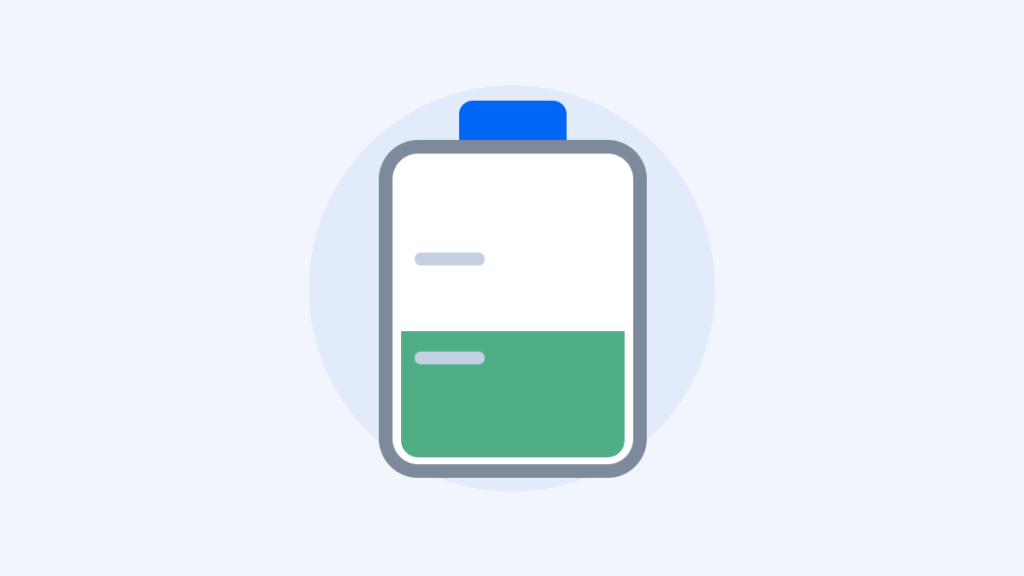
You are looking for a translucent plastic reservoir in the engine bay with MIN and MAX lines moulded into the side, connected by a hose to the radiator. Because it is translucent, you can read the level without opening anything at all — which is exactly how you should do it.
Do not confuse it with the windscreen washer bottle, which usually has a windscreen-and-spray symbol on its cap. Coolant is a strong colour: green, orange, pink, blue or red depending on type.
Reading the level
- With the engine cold, look at the tank from the side.
- The coolant should sit between the MIN and MAX marks. Near MAX is normal on a cold engine, because it expands as it warms.
- If you cannot see any liquid at all, do not start the engine. Have the car checked.
That is the whole check. If the level is fine, you are done — no need to open the cap.
Topping up
- Use the coolant type your manual specifies. Coolants are not generic. Different chemistries use different corrosion inhibitors, and mixing incompatible types can turn the mixture to sludge that blocks the radiator and heater core.
- Most coolants come either ready-mixed or as a concentrate that must be diluted with distilled water in the ratio the manufacturer states. Read the bottle.
- Open the cap slowly on a cold engine, usually a quarter turn first to let any residual pressure escape.
- Fill to the MAX line, not above it. The system needs room for expansion.
- Refit the cap firmly until it clicks or seats.
Plain water is an emergency measure only. It will get you to a workshop, but it has no corrosion protection, a lower boiling point and no freeze protection, so have the system drained and refilled properly afterwards. Never pour cold water into a hot engine — the sudden temperature change can crack metal.
A tank that keeps emptying is a symptom
Coolant is in a sealed system. It does not get used up. If you are topping up regularly, it is going somewhere, and finding out where is the point.
Things worth reporting to a mechanic:
- Coloured puddles or drips under the front of the car after it has been parked.
- A sweet smell around the engine bay or through the vents.
- White crusty deposits around hose joints or the radiator, which mark a slow weep.
- Steam from under the bonnet, or the temperature gauge climbing above its usual position.
- Oil that looks milky, or thick white smoke from the exhaust that does not clear once warm. Both can point to coolant entering the engine, which needs attention quickly.
A small, slow loss is still a loss. It is far cheaper to chase a weeping hose than to rebuild an overheated engine.
If the temperature warning comes on
Pull over safely as soon as you can and switch the engine off. Do not open the cap to check the level while everything is hot, however tempting it is. Let the car cool fully before you look, and if the level is low and there is an obvious leak, call for assistance rather than topping up and driving on.
Your manual has the final word
Coolant type, mixture ratio, capacity, the location of the tank and the replacement interval all differ between models. Where this guide and your owner’s manual disagree, follow the manual.